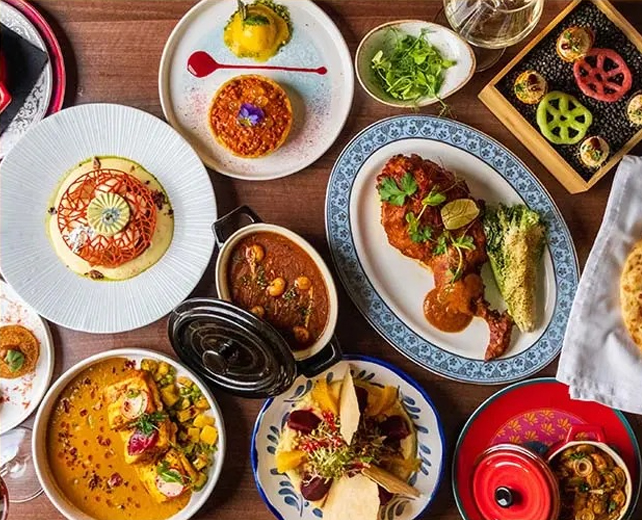
Trying Indian food for the first time is exciting—but yeah, it can get confusing pretty quickly. You open the menu, see a bunch of unfamiliar dish names, and suddenly you're just sitting there wondering… what should I even order?
I've seen this happen a lot, especially with first-time diners.
That's exactly why this guide exists.
Instead of giving you a generic list that doesn't really help, this is a simple, beginner-friendly walkthrough based on real dishes inspired by Colonel Saab—a place known for serving authentic Indian food with a more refined, modern touch.
So if you're searching for Indian food dishes, checking out an Indian food restaurant menu, or trying to figure out where to get the best Indian food in London, this guide will make things a lot easier (and way less overwhelming).
What Makes Indian Food Unique?
Indian food is unique because it blends spices, cooking techniques, and regional influences in a way that creates balanced, layered flavors—not just heat.
Indian cuisine stands out for its depth and variety—but honestly, it's not only about spice like people often think. It's more about how different flavors come together naturally and create something that feels complete on the plate.
Each dish typically combines:
• Aromatic spices like cumin, turmeric, and cardamom
• Cooking techniques such as tandoor grilling and slow simmering
• Regional influences that shape flavor and presentation
If you look at it closely, North Indian dishes usually lean towards creamy and rich gravies, while other regions go in a completely different direction—lighter, tangy, or even slightly smoky.
At restaurants like Colonel Saab, these traditional styles are still very much there, just presented in a more refined and thoughtful way that feels easier to explore, especially for someone new.
For beginners, the key is to start with dishes that are balanced, approachable, and representative of Indian cuisine—so you can enjoy the flavors first instead of trying to figure everything out at once.
Top Indian Food Dishes You Must Try
Mall Road's Dahi Sev Puri (Chaat Starter)
If you're new to Indian food, chaat is honestly one of the easiest places to start—and Mall Road's Dahi Sev Puri works really well as a first introduction.
You get crispy puri shells filled with yogurt, chutneys, and crunchy toppings, so there's a nice mix of textures from the very first bite.
The flavors come through as sweet, tangy, and a little spicy—but nothing that feels too strong or overwhelming.
It's quite light and refreshing overall, and more importantly, it eases you into Indian flavors instead of hitting you all at once. That's why it works so well for first-time diners.
Banarasi Amrood Ki Chaat
This dish takes chaat in a slightly different direction. It's made with guava and a mix of spices, so the flavor comes across as fresh and a bit tangy rather than heavy.
What really stands out here is how fruit and savory elements are combined—it's not something you usually expect, but it works surprisingly well in Indian cuisine.
It also shows how modern Indian restaurants present traditional street-style dishes in a more refined, plated way, which honestly changes the whole experience a little.
If you're new to Indian food, this is a good place to start—especially if you want something lighter before moving on to richer or heavier dishes.
Anglo Indian Chicken Chop
This dish is a good example of how history has shaped Indian cuisine. Anglo Indian Chicken Chop brings together Indian spices with a style of preparation influenced by colonial-era cooking.
At its core, it's a spiced chicken cutlet—crispy on the outside and soft on the inside, which makes it quite easy to enjoy.
The flavors are rich but not too strong, so it doesn't feel overwhelming, especially if you're trying Indian food for the first time.
As a starter, it feels familiar in texture, but the spices give it that distinct Indian twist.
Further reading: Best Indian Food in London: Top Dishes You Must Try
Kandhari Paneer Tikka
If you're looking for a vegetarian option, Kandhari Paneer Tikka is definitely worth trying. Paneer—basically a type of Indian cottage cheese—is marinated in spices and then grilled in a traditional tandoor.
You get a smoky, flavorful dish with a slightly charred outside, while the inside stays soft and a bit creamy.
It's quite popular among vegetarian Indian food dishes, mainly because of how well it balances texture and taste. And even if you're not vegetarian, it's still one of those dishes people end up ordering just out of curiosity—and actually enjoying more than expected.
Butter Chicken (Murgh Makhani)
Butter chicken is often seen as the go-to starting point for Indian cuisine—and honestly, there's a good reason for that.
It's made with tender chicken cooked in a creamy tomato-based sauce that's mildly spiced with a slight hint of sweetness. Nothing too strong, which is why most people find it easy to enjoy right away.
The texture is smooth, the flavors feel rich but still comforting, and it doesn't hit you with too much spice all at once.
If you're not sure what to order, this is usually a safe choice—and one that a lot of first-time diners end up liking.
Regional Lamb Curry
Indian cuisine has a wide variety of lamb curries, and a lot of them come from different regions, each with its own style and way of cooking.
These dishes are usually slow-cooked, which is why the flavors turn out deeper and more layered. Compared to something like butter chicken, the spices here feel a bit stronger—but still balanced enough to enjoy without it being too much.
If you feel like trying something richer or a bit more traditional, lamb curry is a good next step once you're comfortable with the basics.
Biryani & Rice Dishes
Biryani is one of those rice dishes most people have heard of—and once you try it, it's easy to see why it's so popular.
It's made with fragrant basmati rice, layered with spices and either meat or vegetables, then cooked together so everything blends properly.
What you get is a dish that's aromatic, full of flavor, and quite filling—often enough to enjoy on its own without needing much else.
Rice dishes like biryani also give you a better idea of how Indian food works, especially how spices can completely transform even simple ingredients.
Indian Breads (Naan & Paratha)
You'll almost always see bread served with Indian meals. Naan and paratha are the most common, especially alongside curries, mainly because they're perfect for scooping up sauces.
Naan tends to be soft and slightly chewy, while paratha has more layers and a bit of crispiness to it, so the textures feel quite different.
Both add something extra to the meal—not just in taste, but also in how you actually eat it.
Pairing bread with curry is also one of the most natural and authentic ways people enjoy Indian food.
Further reading: Why Indian Food Is So Popular in London
How to Order Indian Food as a Beginner
A beginner should order one starter, one curry, rice, and bread for a complete Indian meal.
If it's your first time at an Indian restaurant, the menu can feel a bit confusing in the beginning. But once you follow a simple approach, it actually becomes much easier to decide.
• Start with one starter or chaat dish
• Choose one main curry (like butter chicken or lamb curry)
• Add rice or biryani
• Include naan or bread
This kind of setup makes things easier—you get a mix of flavors and textures without having to think too much about it.
Popular Indian Food in London
London has become a great place to explore Indian cuisine. You'll find everything—from traditional dishes to more modern interpretations—so there's plenty of variety to try.
At the same time, not all Indian restaurants offer the same experience. There's a clear difference between standard curry houses and more premium dining spots.
Places like Colonel Saab focus more on authenticity, presentation, and the story behind the food, which makes the whole experience feel a bit more special.
Because of that, it's often a good option if you're looking to try the best Indian food London has to offer, especially if you're just getting started.
Understanding an Indian Food Restaurant Menu
A well-structured Indian menu is usually divided into clear sections, which makes things easier once you get familiar with it:
• Chaat & Starters – Light dishes to begin your meal
• Main Courses – Curries and signature dishes
• Rice & Breads – Essential accompaniments
• Sides – Chutneys, dips, and extras
Once you understand this kind of structure, it becomes much easier to go through the menu and pick dishes that actually go well together.
It also makes it simpler to explore different Indian food dishes without feeling overwhelmed by too many choices at once.
Final Thoughts
Indian cuisine is rich and diverse, but once you get an idea of what to try, it becomes a lot easier to enjoy than most people expect. Starting with dishes like butter chicken, paneer tikka, and chaat-style starters is a simple way to explore different flavors without feeling overwhelmed.
Whether you're browsing an Indian food restaurant menu or just figuring out where to eat, going for authentic and well-prepared dishes usually makes things better.
If you're in London, trying Colonel Saab is a good place to begin—especially if you want a mix of traditional flavors with a more refined dining experience.
FAQs
What are the best Indian food dishes for beginners?
Start with butter chicken, paneer tikka, biryani, or chaat. These are easy to enjoy and not too strong in flavor.
Is Indian food always spicy?
No. Many dishes are mild, and spice levels can usually be adjusted.
What should I order at an Indian restaurant?
Go with one starter, one curry, rice or biryani, and naan for a complete meal.
What is the difference between curry and biryani?
Curry is a gravy dish, while biryani is a spiced rice dish cooked with meat or vegetables.
Where can I try good Indian food in London?
You can try places like Colonel Saab for a more refined experience.
